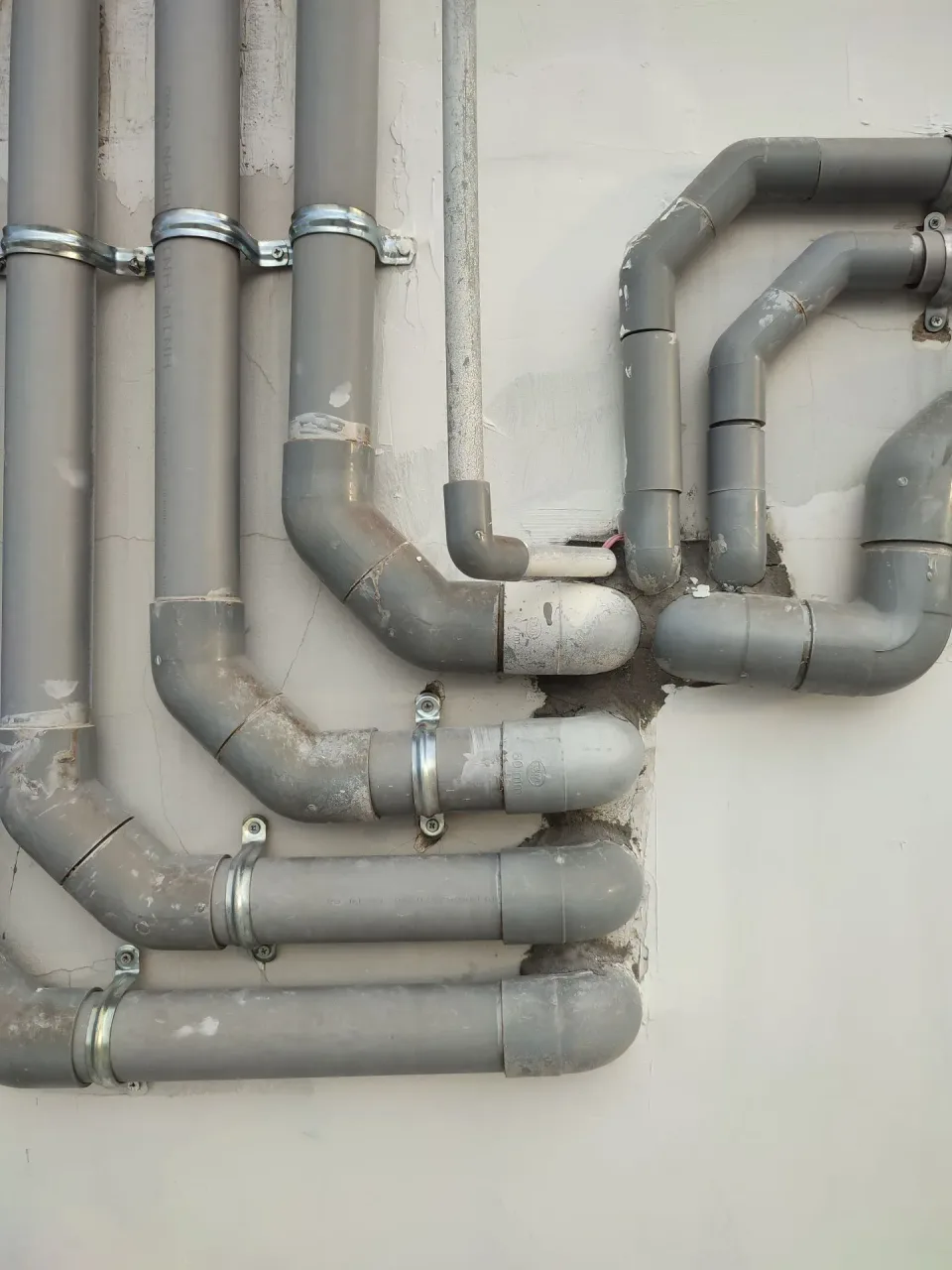
Emergency Pipe Leak Repair
We isolate and repair burst copper or PEX supply lines, slab leaks, and after-hours failures for Dover homes. Typical emergency repairs run $250–$1,500 depending on pipe access.
A water heater that floods when you turn on the water can leave a Dover home without hot water and put nearby flooring at risk. E2E-small-city-plain-ai handles residential and commercial water heater replacement in Dover, DE, with clear scope discussions for the equipment and site.
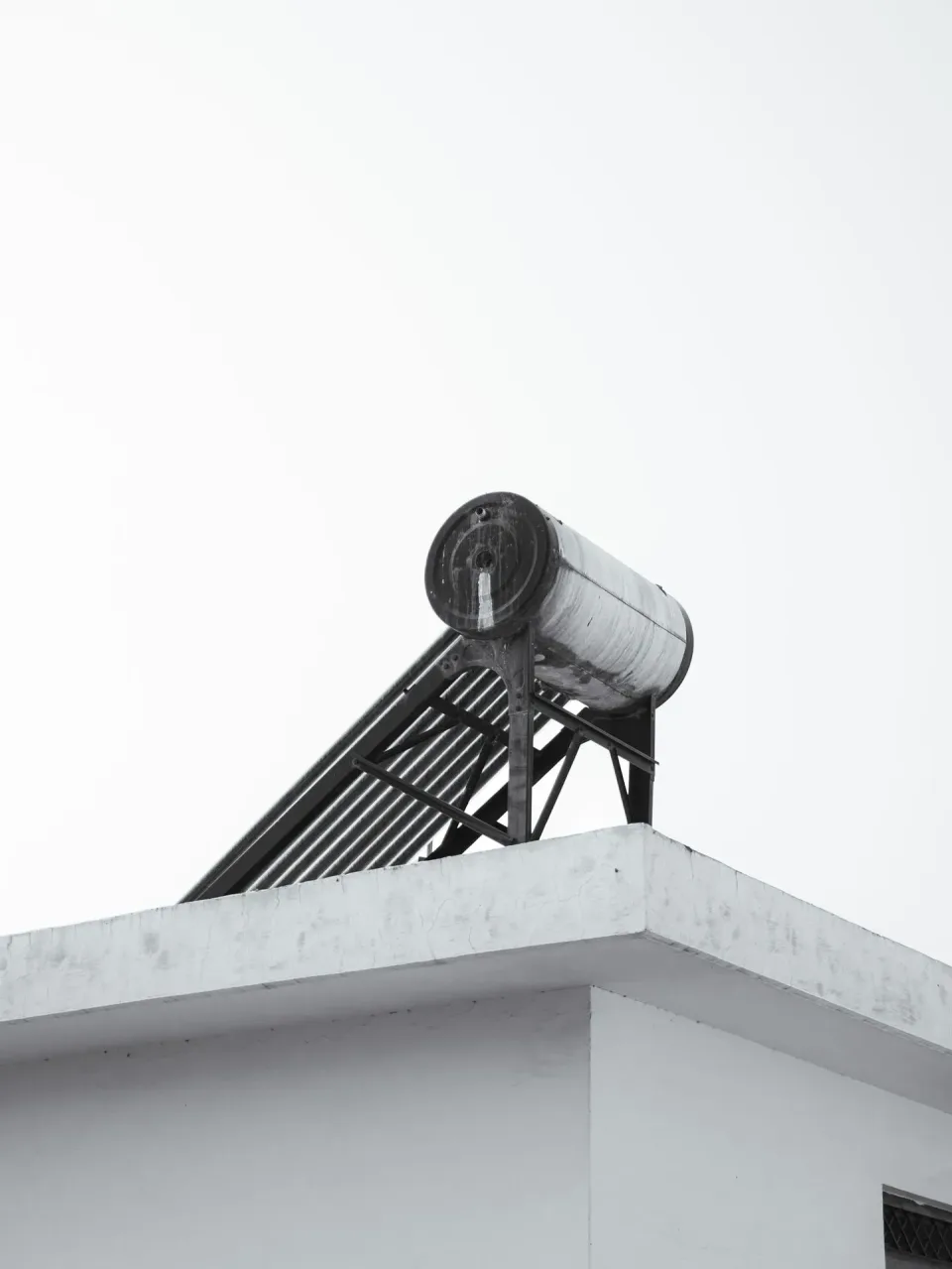
Browse all service options available in Dover, DE and choose the right fit for your project.
We isolate and repair burst copper or PEX supply lines, slab leaks, and after-hours failures for Dover homes. Typical emergency repairs run $250–$1,500 depending on pipe access.
A tank stores heated water for use, while a tankless unit warms it on demand; we compare those options with your household’s use and the existing setup before setting scope. A pressure regulator replacement can address excessive incoming pressure, and a shutoff valve replacement gives you a reliable way to stop water at the heater. Small details matter.
We check the copper water pipe connections and surrounding area, then confirm the work limits before removal and installation. Near the Delaware State Capitol, older layouts can mean tight utility spaces, so we account for access rather than assuming a straight carry path. Dover’s humid subtropical climate brings four distinct seasons, and hot, humid summers can increase household water use.
We explain the replacement plan plainly and keep you updated through completion. For a scope review, call (555) 010-0000.
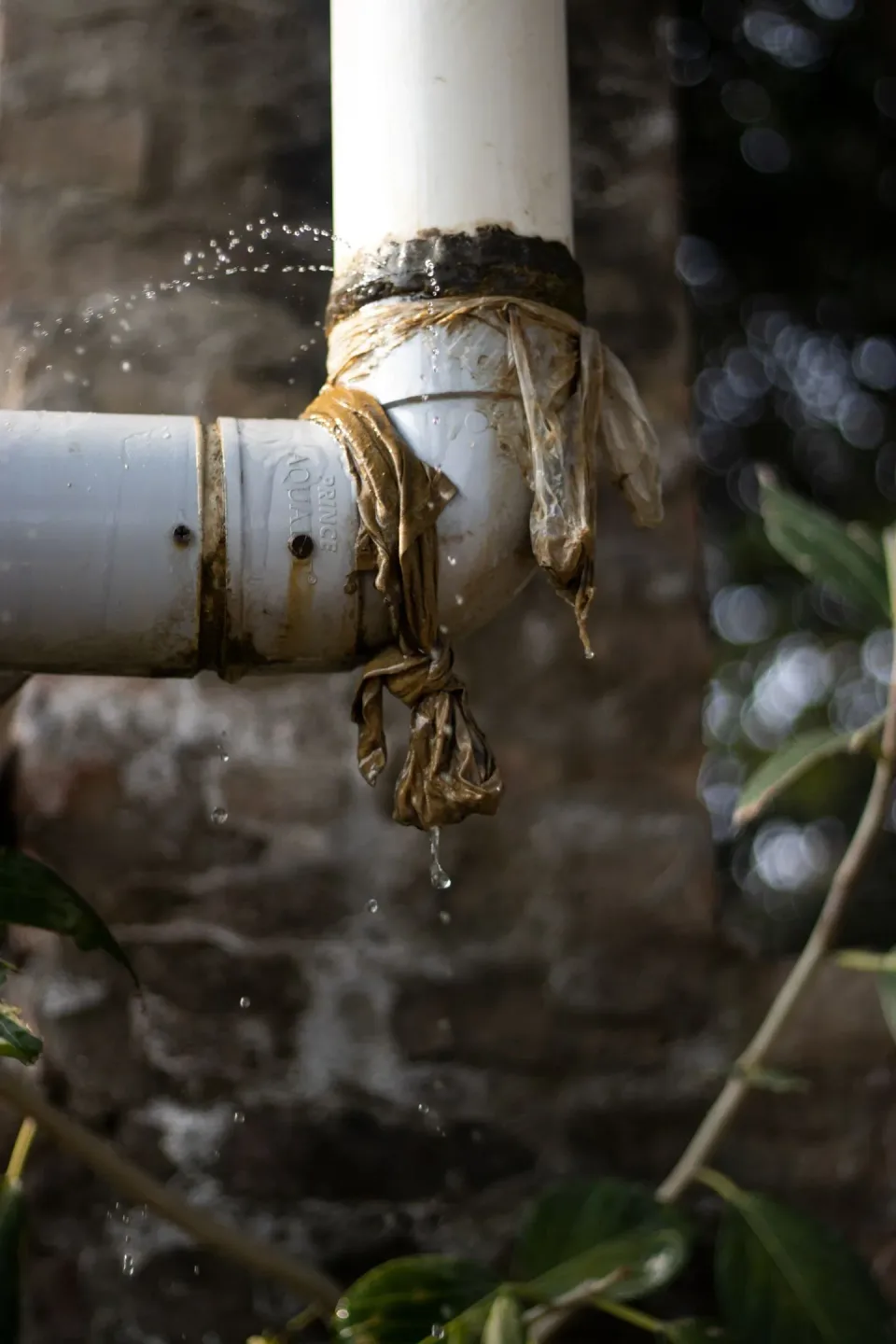
A tank that pops during heating may be struggling with sediment or another internal issue; the sound is a reason to assess the heater, not proof of one specific failure. A leak from the bottom can also mean water is escaping at the tank or a nearby connection. Check whether the floor is wet and whether the visible shutoff is accessible, but do not open panels or touch hot fittings.
We inspect the unit and connections, then explain whether replacement is the appropriate remedy. For a leaking heater, a clear photo of the base and nearby pipework can help us understand what you are seeing before a visit.
Dover’s humid subtropical climate brings four distinct seasons, and humid indoor conditions can make moisture around a leak harder to dismiss. If the job involves a covered installation, the City of Dover Department of Planning and Inspections can clarify permit requirements; we can discuss coordination.
Our Bradford White leak explanation covers one common customer question.
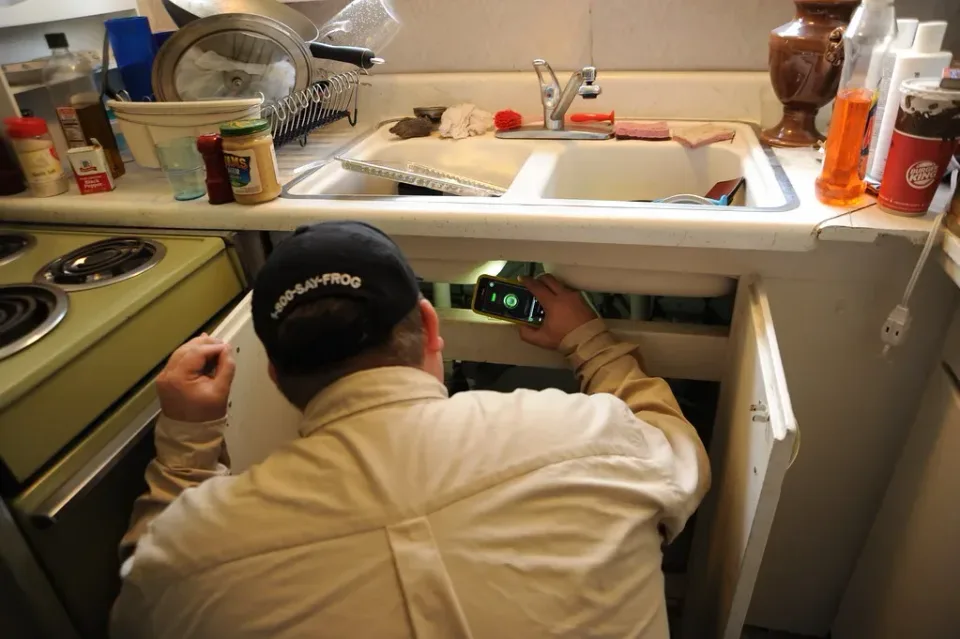
We begin by confirming the heater’s location and the access path, then identify the gas, electric, and water connections. Keep the route clear.
Next, we review the equipment and work area with you. A residential tank commonly holds 40–50 gallons, a useful reference point rather than a substitute for matching capacity to household demand.
We check whether the shutoff valves can be reached and whether the space around the heater is clear enough for safe work. If the route passes through a narrow basement or utility room, tell us before scheduling so we can plan the equipment move.
We confirm permit needs with the local authority before covered work proceeds; Dover plumbing permit requirements should be verified for the specific installation. Summer thunderstorms can bring heavy rain and localized flooding in Dover, so we also note any damp or obstructed access area.
From Capitol Green to nearby homes, our goal is to explain the scope and keep you informed. Use the replacement service page to review the work we handle.
In a Dover home with a tight utility closet, a rushed heater swap can leave connections difficult to reach or a vent fitted incorrectly. The tank’s approximate 8–12-year service life is a useful point for considering replacement, but condition and performance still matter. Check the manufacturer’s information and have the full installation assessed.
A DIY water heater replacement can miss connection compatibility: heater connections are commonly ¾-inch, but the existing pipe and fittings still need to be checked. We inspect the layout, explain whether the proposed unit fits the home, and identify work that needs permit review.
For gas equipment, venting and combustion air are not details to guess at. Cold snaps raise burst-pipe risk in unheated spaces, so we also consider the installation area’s exposure rather than treating the heater as an isolated appliance.
Our Delaware-licensed plumbing contractor explains the scope before work begins and checks the installation before wrap-up.

A replacement quote changes with the heater type, capacity, vent arrangement, and room access. A tank replacement typically falls around $1,200–$3,500; capacity and venting are major drivers. A tankless installation is commonly $2,500–$6,000, particularly when gas-line upgrades are needed.
A commercial unit may run $3,000–$10,000 because larger capacity and rigging affect the work. Heat pump water heater installation also requires reviewing the available space and site conditions before the scope is set. No two utility rooms are quite alike.
Estimates vary by equipment, access, permits, and site conditions; final quotes depend on confirmed scope. We can review the existing heater, vent route, and access before preparing a job-specific quote.
Dover’s annual precipitation is spread across the year, so we also note damp access areas that could affect removal or installation. See our Dover water heater replacement details or call (555) 010-0000 to discuss the scope.

A utility crew exposed a leaking line, and the homeowner needed urgent plumbing help.
The crew would confirm where the exposed leak is coming from before recommending a repair, then explain the issue and any needed shutoff or access. Urgent leak calls are prioritized when scheduling allows.
A verified leak source helps avoid opening walls or replacing piping unnecessarily. If a utility crew has already exposed a line, keep the area accessible and share what they found.
A main drain seemed clogged, and water had backed up inside the home.
The crew would assess the reported backup and the affected drain, then discuss an appropriate response with the homeowner. The call notes mention snaking as a requested service, but do not establish what caused the blockage.
Knowing which fixtures are affected can help explain the backup clearly. Avoid adding water while a drain is backing up, and ask the plumber to explain the proposed work before it begins.
Longer reheating
Hot water takes longer than usual to return. That change can make everyday use less predictable and may signal a heater that is struggling to meet household demand. Note when the delay happens and whether it affects one fixture or the whole home.
Changing water temperature
Water temperature shifts unexpectedly during ordinary use. This can make showers uncomfortable and may point to a heater or control issue. Pay attention to whether the change occurs across multiple faucets, and describe the pattern when discussing replacement options.
Visible corrosion
Rust-colored marks or corrosion appear on the heater’s exterior connections. Visible deterioration can warrant a closer look before a small issue affects nearby surfaces. Keep the area accessible and avoid disturbing fittings; report what you can see to the plumbing professional.
Will you handle any required permits for this replacement?
Permit requirements can depend on the work and local rules. Ask who checks what applies and who is responsible for any required paperwork, so you understand the scope before work starts.
What appointment windows do you serve in Dover?
The team coordinates appointments from Dover and serves nearby Delaware communities.
What is included in the replacement scope?
A clear scope helps you understand which heater-related work is planned and what may fall outside it. Ask how the proposed unit’s fuel, vent type, and dimensions will be confirmed before ordering.
What access or shutoff preparation will you need?
Water heater work may require access to shutoff valves and a clear path for carrying equipment. Ask what to move, how floors and belongings will be protected, and whether an adult needs to be present.
Can I review the written terms before approving the work?
Ask for the terms in writing and make sure your questions are answered before authorizing the work.
Call E2E-small-city-plain-ai at (555) 010-0000 to review your water heater replacement scope and permit coordination.

A suitable tank size depends on household demand and the pattern of hot-water use, not just the number of people in the home. A residential tank commonly holds 40–50 gallons; an installer can compare that capacity with your needs and the available installation space.
Consider replacement when the heater’s condition or performance no longer meets your household’s needs, especially as it approaches the typical 8–12-year tank lifespan. A plumber can inspect the unit and explain whether replacement is warranted rather than relying on age alone.
Annual tank flushing can reduce sediment buildup, which may otherwise collect inside the tank over time. Ask an installer to check the heater’s instructions and condition before flushing, particularly if you are unsure how to operate its drain safely.
Yes, a City of Dover plumbing permit is required for covered installations, so verify the requirement with the local authority for your project. Regulated plumbing work requires a Delaware plumbing license, and installation must follow applicable Delaware State Plumbing Code provisions and adopted amendments.
A tankless water heater heats water on demand, while a tank stores heated water for later use; the right fit depends on demand, space, and existing connections. Tankless units commonly last about 15–20 years, but have an installer review the home’s setup and any needed gas-line work before choosing.