Emergency Pipe Leak Repair
We isolate and repair burst copper or PEX supply lines, slab leaks, and after-hours failures for Dover homes. Typical emergency repairs run $250–$1,500 depending on pipe access.
A temperature and pressure relief valve helps keep a water heater from building unsafe pressure; never cap a leaking discharge pipe. A pressure test checks whether repaired plumbing holds before we close up access. E2E-small-city-plain-ai is the local Dover, DE plumbing contractor for clear diagnosis and practical repairs.
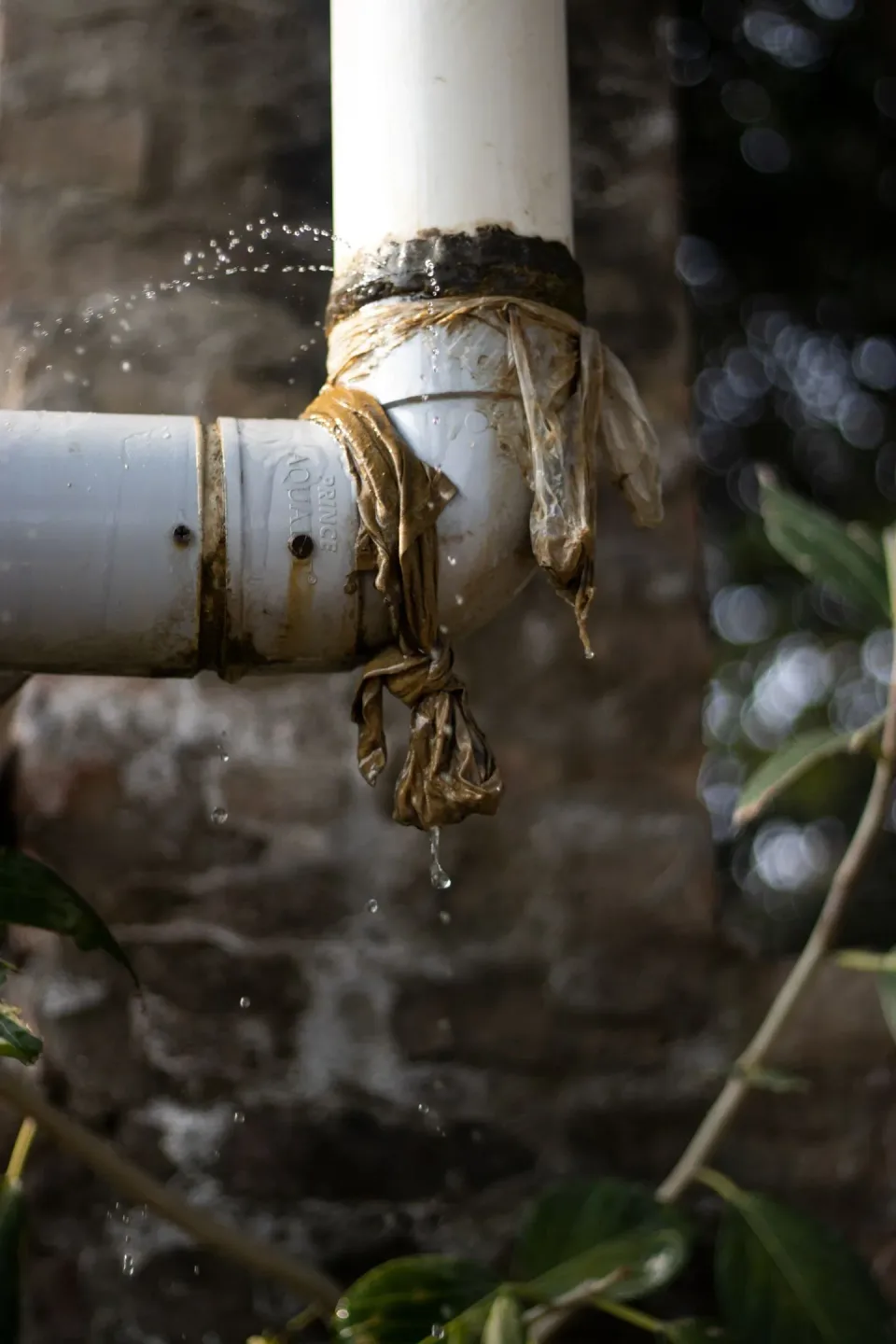
Professional plumbing serving Dover, DE and nearby communities.
We isolate and repair burst copper or PEX supply lines, slab leaks, and after-hours failures for Dover homes. Typical emergency repairs run $250–$1,500 depending on pipe access.
We replace residential tanks and tankless units, including vent and connection work; tank jobs in Dover, DE typically run $1,200–$3,500 based on capacity and venting.

Local experience and clear communication help keep plumbing work understandable from the first conversation through cleanup.
Dover Pipe Knowledge
The company grew from residential plumbing work across Dover, where older homes and varied pipe layouts call for careful diagnosis. That local experience helps the crew look for the source before recommending a repair.
Clear Scope First
Before work begins, technicians explain the issue, planned repair, and any access or shutoff needs. You can understand what the work involves before it starts, then get updates as the job progresses.
Urgent Calls Prioritized
Appointments are coordinated from Dover for nearby Delaware communities. When scheduling allows, urgent leak calls receive priority, giving homeowners a clear local contact when water is escaping and quick attention matters.
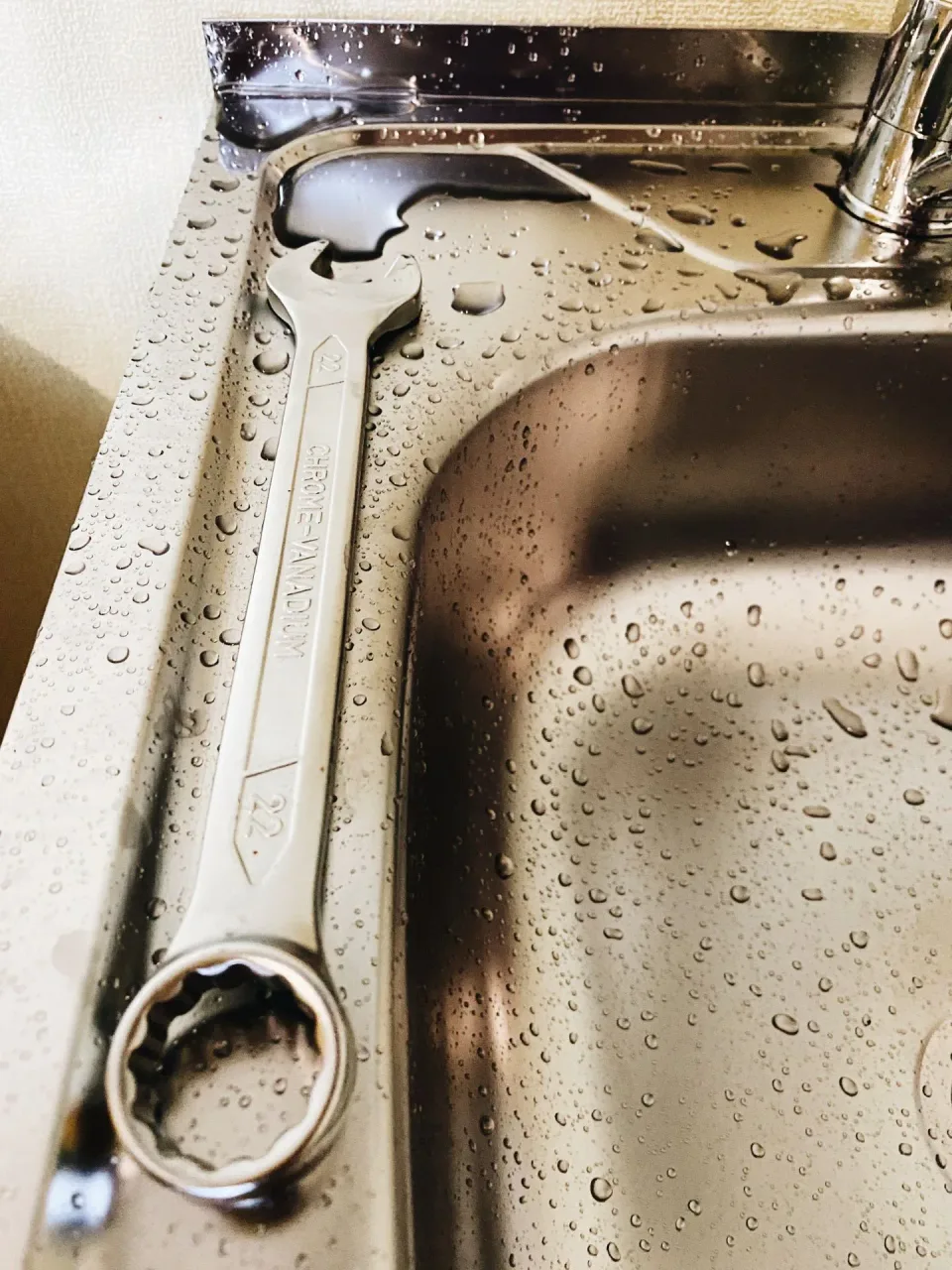
Near The Green, our crew handles plumbing calls in homes where older layouts and newer equipment can meet in tight utility spaces. We confirm the work area and connections before starting, then explain what we find in plain language.
A flue vent carries combustion gases outdoors; a damaged or poorly fitted vent can put those gases where they do not belong, so we check its route and condition during gas-heater work. The anode rod is a sacrificial part inside a tank that helps limit corrosion; checking it can reveal whether the tank has protection left or is nearing replacement.
An expansion tank gives heated water room to expand in a closed system, reducing strain on plumbing connections. Small parts matter.
Our crew brings more than 11 years of Dover-area experience and explains the scope before work begins. Delaware’s humid subtropical climate brings four distinct seasons, so indoor plumbing must handle both summer demand and winter cold. Call (555) 010-0000 to arrange a scope review; we will discuss access, the equipment involved, and the next practical step.
A utility crew exposed a leaking underground water line near the property.
The crew would inspect the exposed area and verify where water is escaping before opening more ground or replacing piping. They would explain the suspected repair and any water shutoff needs, keeping the homeowner informed as the work proceeds.
Finding the leak source first helps focus the repair instead of disturbing more pipe than necessary. If a utility crew has already exposed a suspected leak, share what they uncovered and whether the water is shut off.
A main sewer line clogged, with wastewater backing up inside the home.
The crew would assess the reported backup and access to the main line, then determine whether snaking is appropriate. They would explain the planned work and any access needs before proceeding, with urgent scheduling prioritized when availability allows.
Clearing a main-line blockage can restore drainage, while the source and condition of the line still matter. Limit water use during an active backup and tell the plumber which fixtures are affected and when the problem began.
Water appeared in the attic, where a towel was catching a suspected plumbing leak.
The crew would trace the visible moisture toward its source before opening walls or replacing piping. They would explain any shutoff or access needs and keep the homeowner updated while inspecting the affected area and planning the repair.
A towel can catch drips temporarily, but it cannot show whether water is spreading beyond view. Move belongings away from the wet area if safe, and report where moisture first appeared so the source can be checked.
Water Meter Keeps Moving
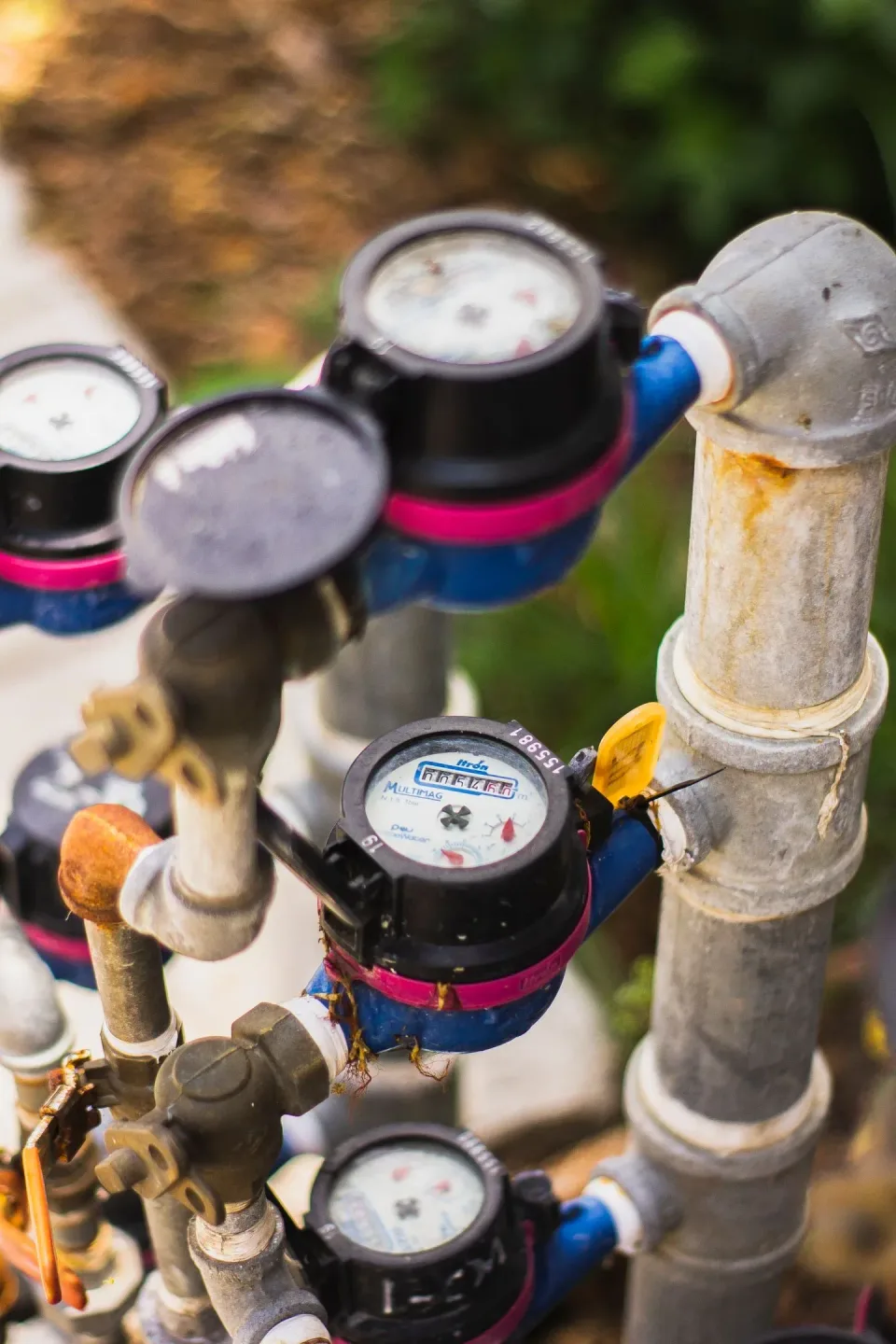
A water meter that moves while fixtures are off can signal water use you have not accounted for. Check that taps and appliances are idle, then note whether the movement continues; a plumber can help investigate hidden plumbing leaks.
Damp Cabinet Floor
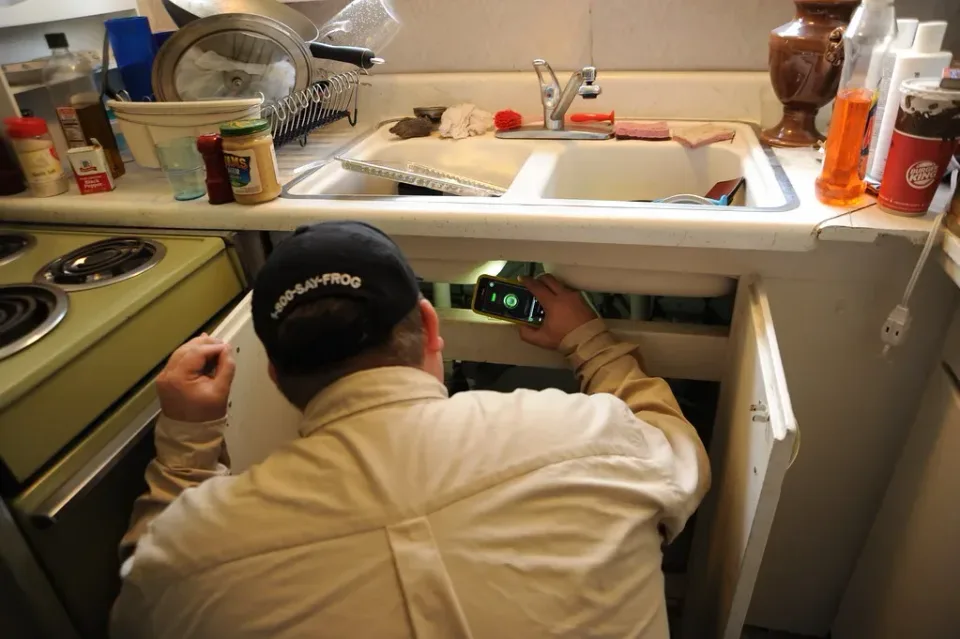
A damp cabinet floor beneath a sink is an early sign of a possible plumbing leak. Look for moisture around the trap and supply connections, and clear stored items so the area can be checked before water damages the cabinet.
Loose Hose Bib Connection
A hose bib that drips around its connection while running can point to a worn or loose part. Check whether the water is coming from the handle, outlet, or wall connection, and arrange an inspection if tightening the hose does not help.
Water Heater Rust Staining
Rust-colored staining near a water heater connection is a visible warning sign worth checking. Look for fresh moisture as well as discoloration, and keep the area around shutoff valves clear so the equipment can be inspected safely.
Spring
Spring rain can saturate soil around foundations and reveal drainage or plumbing concerns. Check exposed areas for new dampness and keep access to shutoff valves clear; a timely inspection can help distinguish rainwater from a plumbing leak.
Summer
Hot, humid weather often brings more cooling and water use, while thunderstorms can cause localized flooding. Check plumbing areas after heavy rain and address moisture promptly, since high indoor humidity can make damp conditions harder to manage.
Fall
Fallen leaves can clog gutters and storm drains, while nor’easters may bring prolonged rain or wind. Clear drainage paths and check for water near the foundation; a plumber can assess whether dampness points to a plumbing issue.
Winter
Cold snaps can freeze exposed pipes and hose bibs, especially in unheated spaces, and freeze-thaw cycles can stress outdoor plumbing. Have vulnerable areas checked and keep shutoff access clear before freezing nights put pipes at greater risk.

Restoring Hot Water
Before: A home has no hot water at its faucets, leaving everyday washing and household tasks difficult. The cause has not yet been established, so a technician needs to assess the heater and related connections before recommending a repair or replacement.
After: Once the planned heater work is complete, the crew tests hot-water operation and visible connections before leaving. Confirming fuel, vent type, and dimensions before ordering helps ensure the replacement equipment suits the home’s setup.
What permits may this project require?
Permit requirements can depend on the work and local rules. Ask who will check whether a permit applies and who handles it, so responsibilities are clear before work begins and required approvals are not overlooked.
When can your team schedule the visit?
A clear service schedule helps you plan access and household routines. Ask what appointment availability looks like and how urgent calls are prioritized; scheduling depends on the team’s workload and cannot be promised in advance.
What work is included in the plan?
A written explanation of the planned repair helps you understand what the visit covers and what may fall outside its scope. Ask about parts, testing, and cleanup so you know what to expect before authorizing work.
What terms should I review before signing?
Review the agreement for the described work, payment terms, cancellation conditions, and any exclusions.
A puddle at the base of a water heater may come from a fitting above it, so replacing the tank without tracing the leak can leave the real problem unfixed. In homes near Legislative Hall and along State Street, varied layouts can make hidden connections harder to reach, while Dover’s cold winter nights can expose poorly protected pipes.
We trace the water and inspect visible joints, using a pressure test when appropriate before recommending Water Heater Replacement or Emergency Pipe Leak Repair. For a pipe repair, material matters: copper tolerates heat well, while flexible PEX can be easier to route through tight spaces.
The right choice depends on the pipe’s location and the repair. You can check whether the shutoff is accessible and note where moisture first appears, but don’t open a wall or touch electrical equipment in a wet area.
If the leak continues or drywall is damp, we can assess the source and explain the repair. See our water heater replacement options.
We start by confirming the symptom, the property address, and whether water needs to be shut off; that helps us plan access before arriving. Around Dover City Hall, a tight entry or occupied home can affect how we protect and reach the work area.
Before a tank delivery, measuring doorways can prevent an equipment swap from getting stuck at the entrance. We protect floors along the route and coordinate the water shutoff with occupants so the interruption is understood. For gas-heater work, a combustion analyzer checks flue-gas readings; that gives us a measured way to assess combustion rather than relying on appearance alone.
If a pipe is involved, we verify the leak source before opening walls or replacing piping. Our Delaware winters can bring freezing nights, so we also consider whether exposed lines need attention during the repair.
Our plumbing service is for Dover homeowners who need a water-heater decision or a leak traced and repaired without guesswork. In Capitol Green, historic buildings and later additions can put different pipe routes behind the same wall.
We replace tank heaters when a failed unit or persistent hot-water trouble calls for new equipment, and we assess tankless options when the home’s demand and connections suit them. If water is escaping from a pipe, we isolate the leak and repair the affected section; a low-pressure complaint after a leak gets checked at the repaired line and nearby fittings. Wet drywall deserves attention because the visible stain may not mark the actual source.
Dover’s hot, humid summers can increase household water use, while winter cold puts exposed plumbing at risk. We explain which repair fits the observed condition, not just the symptom, and can coordinate related heater and pipe work when the scope supports it. Our Dover plumbing coverage starts with a clear description of the job.

A heater replacement or pipe leak in a Cape Cod home can require different access and equipment than the same job in an open utility room. We provide itemized quotes so you can see what the work covers. Summer storms and localized flooding in Dover can also affect access to basement repairs.
Tank water heater replacement commonly ranges from $1,200–$3,500, with capacity and venting affecting the scope. Tankless installation is often $2,500–$6,000, especially if gas-line upgrades are needed.
Emergency pipe leak repair may run $250–$1,500, with access and after-hours labor influencing cost; accessible pipe repairs are often $150–$800. Commercial water heater replacement can range from $3,000–$10,000, depending on capacity and rigging.
Permit requirements and fees can affect the final price, so verify them with the local authority before work begins. After installation, annual tank flushing can reduce sediment buildup, which may otherwise hinder heating and shorten equipment life. Estimates depend on confirmed scope and site conditions. Call (555) 010-0000 for a job-specific quote.
Reach our Dover, DE team or ask about coverage in other markets.
Yes, if you can reach the correct shutoff safely, closing it can limit water damage while you arrange an assessment. If you cannot identify it, use the water main only if you know its location and can operate it without entering a wet or unsafe area.
Yes, if both issues are accessible and the leak source can be confirmed during the visit; we will explain whether the work can be combined after assessing the scope. A pipe coupling or damaged branch may require a different repair than the shower blockage, so describe both symptoms when you call.
Yes, Delaware requires a plumbing license for regulated plumbing work, and the Delaware Division of Professional Regulation handles contractor licensing. Covered installations may also require a City of Dover plumbing permit, which we verify with the relevant local authority.
Keep clear of wet electrical equipment and use the nearest safe shutoff to limit water flow; a towel only catches a small amount and does not stop the leak. Tell us where the water appears and whether the water main or a fixture valve is accessible so we can discuss leak isolation.
A same-day appointment depends on scheduling, equipment, and access, so it must be confirmed when we review the job. Removed heaters may be subject to Delaware DNREC rules for regulated waste disposal; we will account for applicable disposal requirements when scoping the work.
Recent plumbing project photos.
Guides and tips for customers using plumbing services.